Perimenopause
Your cycle continues but becomes irregular. Hormone levels swing widely, often for years at a time.
More on perimenopauseTrouble sleeping, hot flushes or changes in your weight? This page sets out what happens during the menopause transition and which symptoms belong to it. Our physicians help you understand where your own situation sits.

You do not need to know which stage you are in. Many symptoms occur in both, and the line between them is rarely sharp. What follows is here to help you get your bearings.
Your cycle continues but becomes irregular. Hormone levels swing widely, often for years at a time.
More on perimenopausePeriods stop for good and hormone levels stay low. Metabolism, bone and the cardiovascular system all adjust to that.
More on menopauseThis is general information for orientation. It does not replace a medical assessment.
The transitions are gradual. Your physician makes the assessment together with you.
A 50-year-old woman in Switzerland can expect to live another 37.2 years on average, compared with 35.2 in 2005. At 50, more than a third of her life is still ahead of her.1
| Age and year | Further years of life on average |
|---|---|
| At 50, 2005 | 35.2 years |
| At 50, 2025 | 37.2 years |
| At 65, 2005 | 21.6 years |
| At 65, 2025 | 23.2 years |
Calculated using the mortality rates of each year (period life table), women in Switzerland. The statistics record age, not menopause. In Switzerland, women are 51 on average at their last period.2
Choose a symptom to read what may lie behind it, and when a medical assessment is worth considering.
Several symptoms at once? You do not have to settle on one of them. Your physician looks at them together.
It always starts with a medical consultation. Before it, we map out where you stand in a structured way. Whether treatment makes sense, and which, is decided afterwards.
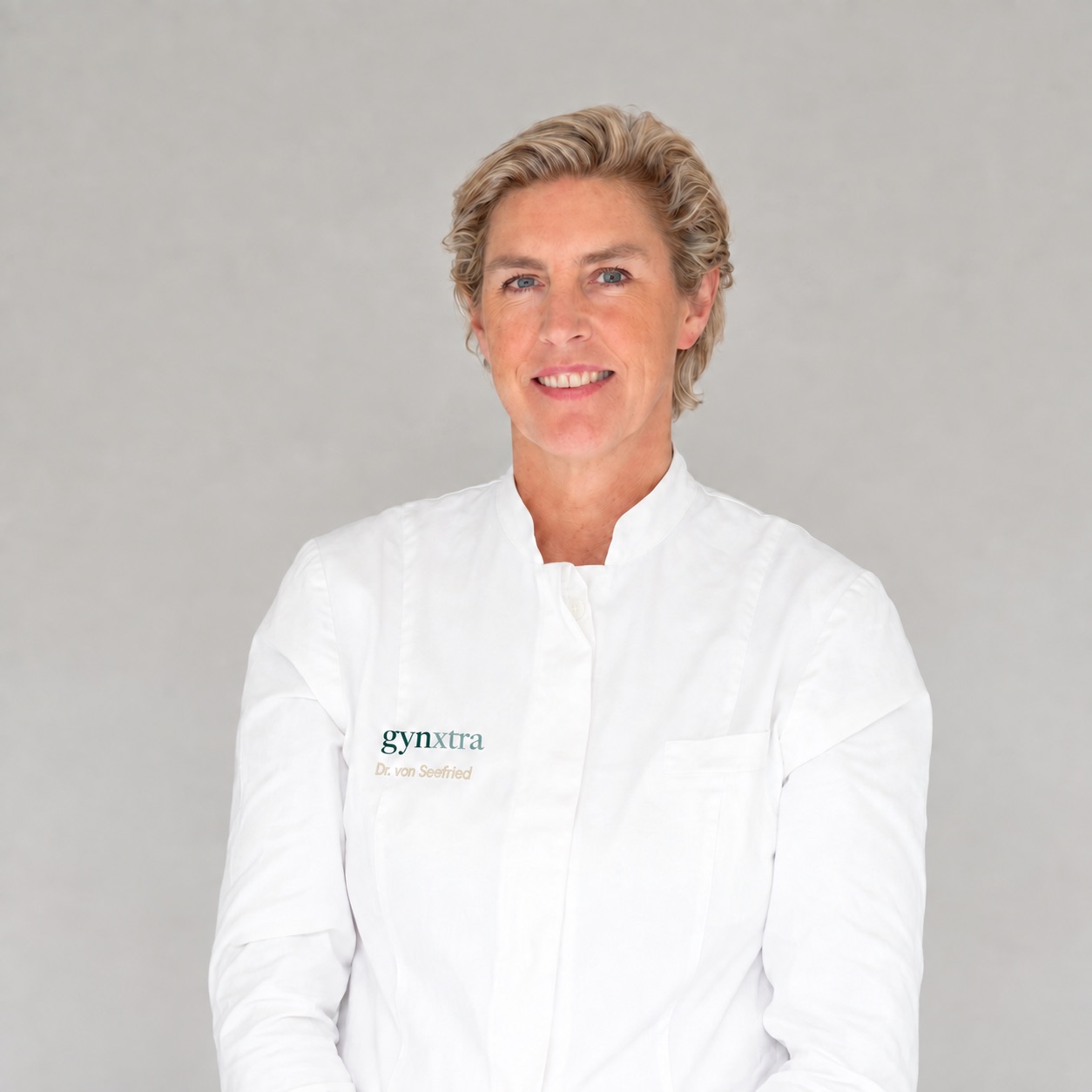
One appointment, one price. It brings clarity about your next medical step.
In your medical consultation, your physician already knows your medical history and any existing results before you speak. You use the 30-minute video call to look ahead, and afterwards you receive your report with treatment plan in writing.
gynxtra is for women between 38 and 65 with perimenopausal or menopausal symptoms such as sleep problems, hot flushes, weight gain or brain fog.
Beforehand you fill in a medical history questionnaire at your own pace and upload any prior findings to your patient area. Your physician reviews everything before the call. You use the one-to-one video consultation to look ahead. Your physician puts your situation into context and talks you through sensible next steps: whether diagnostics would clarify anything, and whether a treatment could be an option. Nothing is prescribed without her medical judgement. After the consultation you receive your report with treatment plan in writing in your patient area.
When further investigation makes sense, your physician recommends targeted diagnostics. Existing, up-to-date findings are taken into account.
Not automatically. Your physician only recommends a therapy when it is medically indicated. Some patients benefit from lifestyle interventions or other measures. Your health and safety come first.
The medical consultation costs CHF 250 as a one-off. If further diagnostics or ongoing treatment are medically sensible, your physician discusses the recommended scope and the resulting costs with you before any next step begins.